When it comes to home renovations, the term “traditional remodel” might sound as appealing as a bowl of plain oatmeal. But don’t let the name fool you; this approach is anything but boring! Think of it as giving your home a timeless makeover that blends classic charm with modern comfort. It’s like dressing your house in a tailored suit—it just looks sharp.
Imagine walking into your living space and feeling a wave of nostalgia mixed with a sprinkle of contemporary flair. A traditional remodel brings back the elegance of yesteryears while ensuring your home meets today’s lifestyle demands. Whether it’s restoring vintage details or infusing fresh colors, this style offers a delightful balance that’s sure to impress. So, if you’re ready to transform your home into a masterpiece that stands the test of time, buckle up! The journey to a beautifully remodeled abode is just around the corner.
Overview of Traditional Remodel
Traditional remodels redefine home renovations by blending timeless design with modern comforts. This style emphasizes classic aesthetics while incorporating necessary updates that enhance livability. Homeowners often cherish vintage details, such as crown molding, wooden flooring, or elaborate fireplaces.
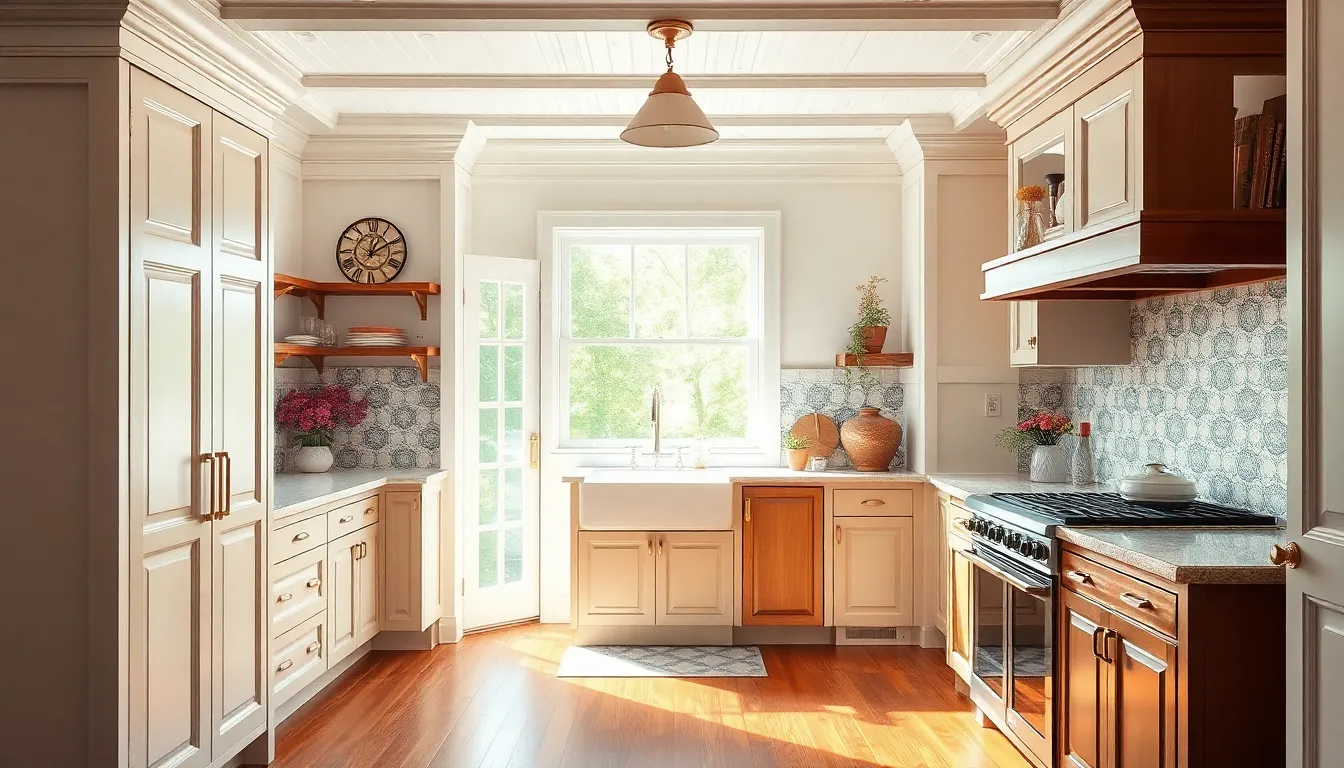
In a traditional remodel, fresh colors breathe new life into spaces. Subtle hues evoke warmth, ensuring environments feel both inviting and elegant. Kitchen updates might include hand-painted cabinets, vintage-inspired backsplash tiles, or farmhouse sinks. Each addition aims to balance nostalgia with functionality.
Bathrooms benefit from this approach too. Classic fixtures, elegant vanities, and clawfoot tubs marry beauty with utility. Materials such as marble and ceramic offer durability alongside timeless appearance. Fixtures in polished nickel or brass often complete the look, enhancing the overall ambiance.
Spaces should flow seamlessly. Open layouts permit better movement while maintaining distinct areas for cooking, dining, and relaxation. Furnishings that complement traditional themes, like antique tables or upholstered chairs, finalize the decor.
Outdoor spaces also embrace the traditional remodel aesthetic. Landscaping with symmetrical patterns and well-maintained gardens invite serenity. Patios adorned with classic wrought iron furniture serve as perfect relaxation spots.
Overall, a traditional remodel transforms a house into a cherished home by combining modern comforts with old-world charm. This thoughtful design approach ensures spaces remain functional while retaining their historical significance.
Key Features of Traditional Remodel
Traditional remodels boast distinct features that evoke charm and character. This style emphasizes a blend of time-honored design principles with modern enhancements.
Architectural Elements
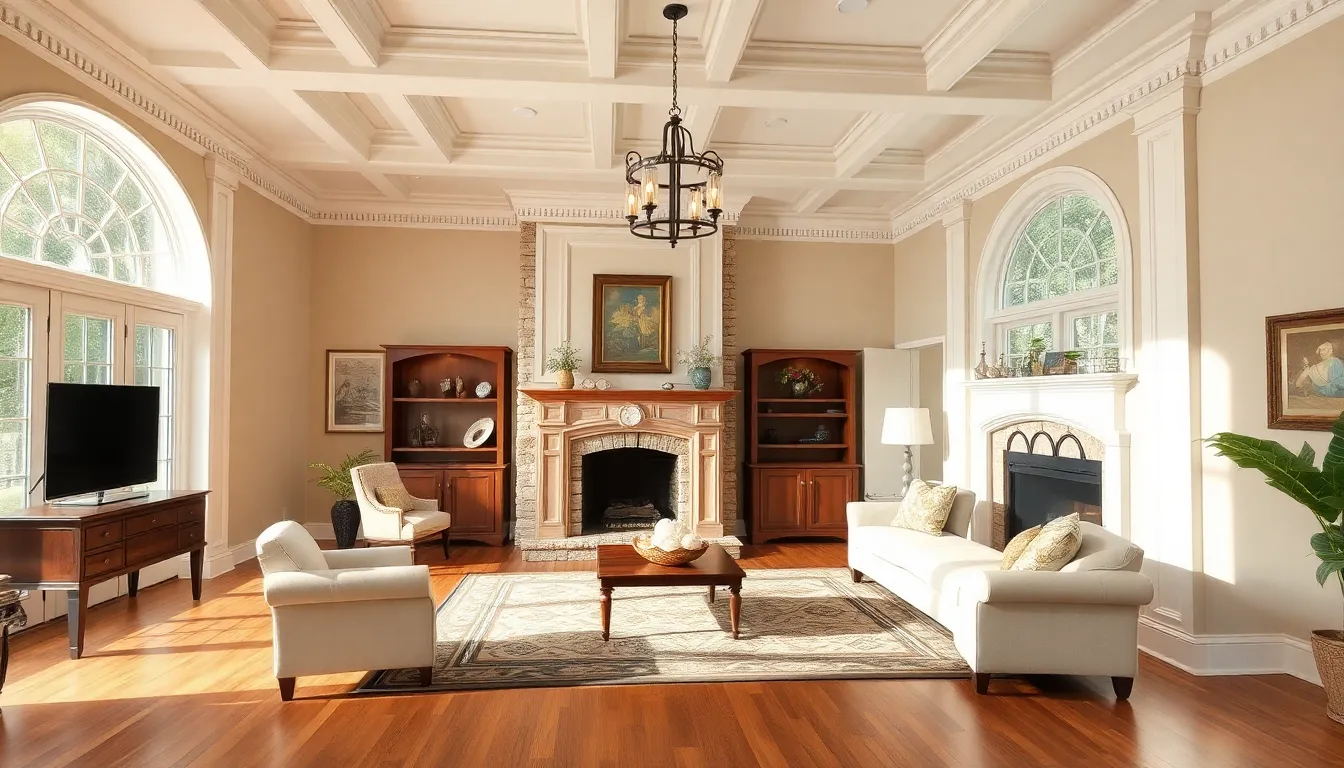
Classic architectural elements stand out in a traditional remodel. Crown molding adds sophistication, while coffered ceilings create depth and elegance. Wainscoting contributes texture and visual interest to walls. Fireplaces, often the focal point of living spaces, incorporate ornate mantels that enhance warmth and coziness. Arched doorways lead to flowing transitions, connecting rooms while maintaining the remodeled home’s connectedness. Each feature plays a role in establishing a cohesive aesthetic that honors historic integrity.
Material Choices
Material choices are vital in defining a traditional remodel’s character. Hardwood flooring, known for its durability and beauty, provides a solid foundation. Stone and brick accents enhance charm, spotlighting craftsmanship and authenticity. Handcrafted tile pays homage to vintage styles while remaining practical and easy to maintain. Clawfoot tubs and pedestal sinks in bathrooms echo old-world elegance, elevating functionality with artistry. Fabric selections, such as linen and velvet, contribute texture and warmth, complementing the overall design philosophy. Each material reinforces the timeless appeal of a traditional remodel, ensuring lasting beauty.
Benefits of a Traditional Remodel
A traditional remodel offers numerous advantages that enhance both aesthetic and property value.
Timeless Aesthetic
Classic design elements create a timeless aesthetic. Crown molding, coffered ceilings, and ornate fireplaces serve as focal points, enriching the home’s character. Homes benefit from stone accents and hardwood flooring, which add warmth and elegance. Vintage details, such as hand-painted cabinets and vintage-inspired tiles, evoke nostalgia while offering modern charm. Subtle color choices create inviting spaces that appeal to diverse tastes. Architectural integrity shines through distinctive features that blend with contemporary updates, ensuring that the home remains stylish across generations.
Increased Home Value
Traditional remodels can significantly increase home value. Buyers often seek properties that combine modern comforts with established aesthetics. Timeless finishes and classic designs appeal to a broad audience, making homes easier to sell. Updated kitchens and bathrooms featuring elegant fixtures attract potential buyers and justify higher price points. Landscaping improvements and inviting outdoor areas enhance curb appeal, which can influence property marketability. Ultimately, investing in a traditional remodel enhances long-term returns, making it a smart choice for homeowners looking to maximize their investment.
Challenges in Traditional Remodeling
Traditional remodeling comes with distinct challenges that require careful consideration.
Cost Considerations
Budgeting for a traditional remodel involves various factors. Renovation costs often include labor, materials, and unexpected expenses. Higher-quality materials, like hardwood flooring or bespoke cabinetry, can significantly increase costs. Owners must also account for permits and potential structural changes. Planning for a 10% to 20% contingency is advisable to address any surprises. Collaborating with experienced contractors ensures a clear estimate and reduces the likelihood of overspending. Defining the scope of the project allows for better management of costs and avoids unexpected financial strain.
Finding Authentic Materials
Locating authentic materials poses another challenge within traditional remodeling. Homeowners seek materials that align with the era and style they want to capture. Sourcing vintage tiles, reclaimed wood, or hand-crafted fixtures requires extra effort. Local salvage yards or specialty shops often offer unique finds. Choosing to purchase from antique stores can yield one-of-a-kind pieces that enhance character. Researching reputable suppliers ensures high-quality materials that match desired aesthetics. Additionally, understanding the difference between true vintage and reproductions aids in making informed decisions.
A traditional remodel offers a unique blend of nostalgia and modernity that can elevate any home. By embracing classic design elements and thoughtful updates, homeowners can create spaces that are both functional and aesthetically pleasing. This approach not only enhances the charm of a property but also boosts its market value, making it a wise investment.
With careful planning and attention to detail, a traditional remodel can transform a house into a timeless masterpiece. Homeowners are encouraged to explore the possibilities of this style, ensuring their living spaces reflect both their personal taste and the enduring appeal of traditional design.