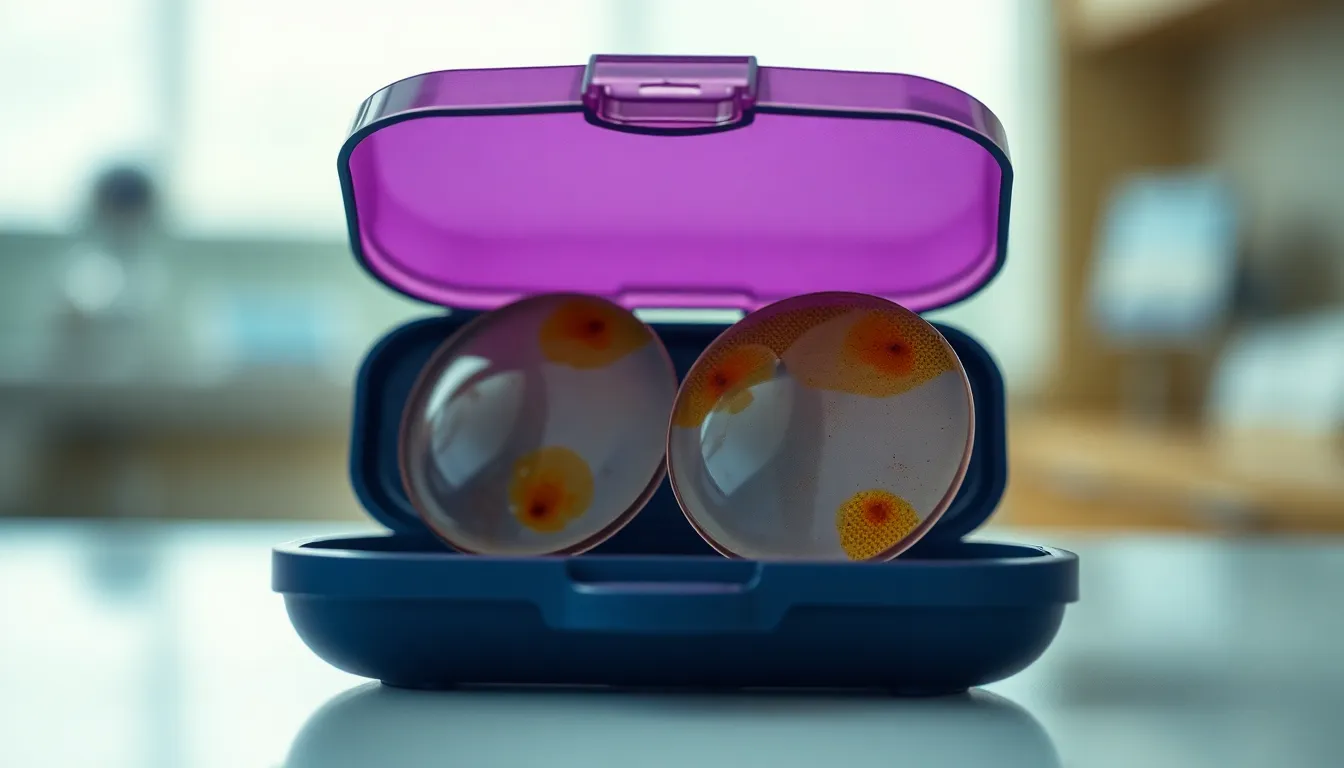
Imagine reaching for your trusty contact lenses only to discover they’ve expired. Panic sets in. Can you really wear them? While it might feel like a minor inconvenience, wearing expired contacts can lead to more trouble than just blurry vision.
Think of your eyes as VIP guests at a party—they deserve only the best treatment. Expired lenses can be like stale snacks: not only do they lack the freshness you need, but they can also bring unwanted guests like infections and irritation. So, before you take that leap into the unknown, let’s dive into the world of expired contacts and uncover the truth behind those little discs that might just be more trouble than they’re worth.
Understanding Expired Contacts
Wearing expired contact lenses poses significant risks to eye health. Improper care can lead to infections that may impact vision long-term. Contact lenses, like other medical products, have expiration dates for a reason: to ensure safety and effectiveness.
Using expired lenses can cause irritation and discomfort. Symptoms such as redness, swelling, and excessive tearing may arise when wearing expired contacts. Additionally, the risk of developing eye conditions increases with the use of outdated products.
Expulsion of microorganisms is less effective with expired lenses. Manufacturers design lenses to maintain their properties until the expiration date, ensuring optimal comfort and clarity. After this date, the materials may break down, leading to compromised integrity.
Minimizing potential complications requires awareness of expiration dates. By checking these dates regularly, users can maintain eye health and avoid unnecessary risks. Consulting an eye care professional is crucial for proper guidance when doubts about lenses arise.
Attention to eye health should remain a priority. Users must consider the implications of choosing expired contacts over fresh ones. Protecting eyes from potential harm can lead to better overall well-being. Making informed choices about eye care contributes significantly to long-term vision quality.
Risks of Wearing Expired Contacts
Wearing expired contacts can lead to serious eye health complications. Expired lenses may harbor harmful microorganisms, increasing the risk of eye infections. Furthermore, irritation and discomfort often occur, causing symptoms like redness and swelling. The risk of developing conditions such as corneal ulcers rises significantly when using lenses past their expiration date. Eye health should always be a top priority, requiring regular checks on lens expiration dates.
Eye Health Concerns
Wearing expired contacts can introduce bacteria and fungi into the eyes. Such exposure often results in infections that can damage vision over time. Cases of conjunctivitis, often caused by expired lenses, frequently appear among contact lens users. Proper lens care and timely replacements are essential to mitigate these risks. Regular consultations with eye care professionals help monitor eye health and prevent severe complications.
Impact on Vision
Expired contacts can compromise vision clarity. Lenses lose their effectiveness after the expiration date, leading to blurred or distorted vision. Additionally, dry spots may form on the lenses, interrupting visual acuity. Long-term exposure to these issues can lead to permanent damage. Consistently using fresh, approved lenses ensures optimal performance and clearer vision. Protecting vision quality requires strict adherence to lens care and replacement guidelines.
Signs of Expired Contacts
Expired contact lenses often show noticeable signs that indicate they’re no longer safe to wear. Recognizing these signs helps maintain eye health and prevents potential complications.
Changes in Appearance
Discoloration in contact lenses serves as a primary warning sign. Cloudiness, unusual tints, or visible deposits on the lenses indicate degradation. It’s crucial to identify these changes promptly. Damage to the lens surface can also occur, making the lenses feel less comfortable during wear. Each of these visual changes reflects a decline in lens quality, which can increase the risk of eye infections or irritation. Therefore, users should examine their lenses regularly for any abnormalities. Ensuring proper hygiene and lens management plays a vital role in maintaining eye safety.
Discomfort and Irritation
Experiencing discomfort while wearing contact lenses signals potential expiration. Symptoms like itchiness or a gritty sensation often accompany worn-out lenses. If irritation occurs shortly after inserting the lenses, removing them immediately is essential for eye health. Enhanced sensitivity might also lead to redness or swelling of the eyelids. These symptoms reflect a compromised lens quality, which can increase the risk of eye infections like conjunctivitis. Regular monitoring of these sensations helps users respond quickly to potential issues. Prioritizing comfort while wearing lenses significantly contributes to overall eye health and well-being.
Recommendations for Safe Contact Use
Ensuring the safety and longevity of contact lenses requires proper practices and adherence to guidelines.
Proper Storage Practices
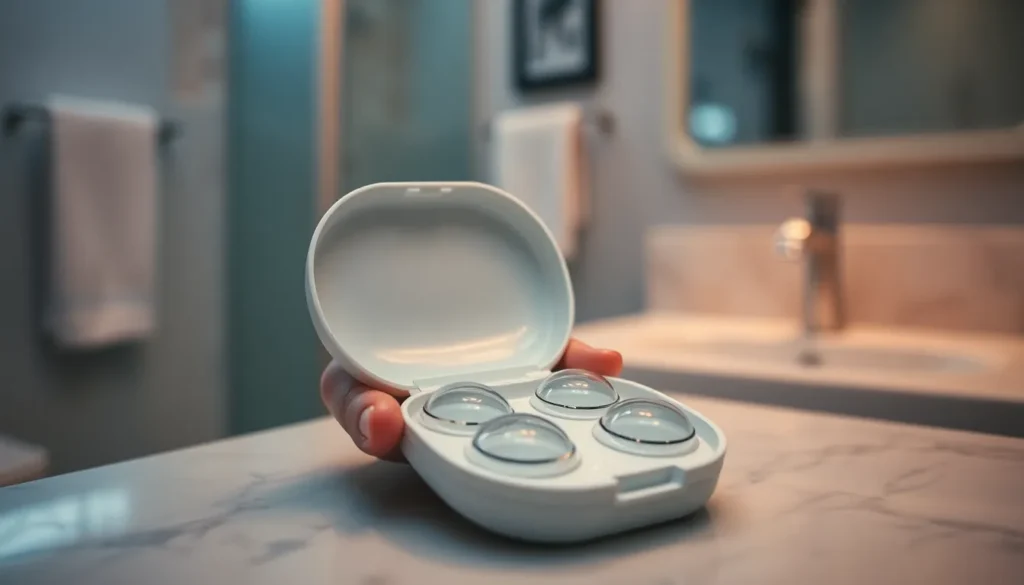
Maintaining contact lenses in optimal condition starts with proper storage. Store lenses in a clean, dry case to avoid contamination. Regularly clean the case with solution, discarding it every three months. Lenses should remain submerged in fresh solution when not in use, preventing them from drying out. Avoid using water or saliva for rinsing, as these can introduce harmful microorganisms. Keeping lenses away from direct sunlight and heat sources helps preserve their integrity.
Importance of Replacement Schedules
Adhering to replacement schedules is vital for eye health. Replace daily lenses every 24 hours, and bi-weekly or monthly lenses should be swapped as per prescribed timelines. Following the replacement schedule ensures optimal vision and reduces the risk of complications from expired lenses. Regular check-ups with an eye care professional assist in identifying appropriate schedules suited for individual needs. Prioritizing timely replacements not only enhances comfort but also promotes long-term vision integrity.
Wearing expired contact lenses can lead to serious eye health issues that far outweigh any temporary convenience. The risks of infections and discomfort highlight the importance of prioritizing eye care. Regularly checking the condition of lenses and adhering to replacement schedules are essential practices for maintaining optimal vision and eye health. By making informed choices and consulting eye care professionals, individuals can protect their eyes and ensure long-term comfort and clarity. Prioritizing eye health is not just a recommendation; it’s a necessity for anyone who values their vision.