Table of Contents
ToggleResponsible firearm ownership means keeping guns accessible to authorized users while completely out of reach of children, guests, and intruders. Traditional gun safes work, but they’re bulky, obvious, and often slow to access in emergencies. Hidden gun storage offers a middle ground: quick access for trained adults, total concealment from everyone else. Whether the goal is blending security with home decor or simply avoiding the eyesore of a steel cabinet in the bedroom, there are dozens of creative solutions available in 2026, ranging from DIY builds to professionally engineered furniture. This guide walks through the most practical, code-compliant, and genuinely secure hidden storage options for homes.
Key Takeaways
- Hidden gun storage solutions protect children and unauthorized users by combining concealment with locking mechanisms, satisfying most jurisdictional secure storage requirements and reducing insurance liability.
- Furniture-based options like beds, nightstands, and coffee tables with RFID or biometric locks offer fast emergency access while maintaining neutral home aesthetics compared to visible gun safes.
- Wall-mounted mirror and picture frame safes require proper installation into solid wood studs with 3-inch lag bolts, along with desiccant packs to prevent condensation and rust in concealed compartments.
- DIY hidden gun storage projects must include locking hardware, high-quality materials like 3/4-inch plywood, and moisture sealing, though they typically lack legal certification compared to pre-made units.
- Pre-made hidden gun storage units priced between $200–$1,200 provide UL-rated locks, warranty coverage, and third-party safety certifications that document compliance and reduce liability exposure.
- Test access speed in realistic low-light conditions to ensure hidden compartments provide quick access during emergencies while maintaining security and concealment from intruders.
Why Hidden Gun Storage Matters for Home Safety and Security
Hidden gun storage isn’t about being paranoid or secretive, it’s about layering security. A visible gun safe announces exactly where firearms are kept, which can be a liability during a break-in. Concealment removes that target.
More importantly, hidden storage protects children and unauthorized users. According to home safety testing, traditional gun safes with keypad locks can be bypassed by curious kids who observe entry codes. Hidden compartments add a critical layer: even if someone knows the combination, they won’t know where to look.
From a legal standpoint, most jurisdictions require firearms to be stored securely when not in use, especially in homes with minors. Hidden storage that includes locking mechanisms, whether RFID, biometric, or mechanical, typically satisfies these requirements. Check local and state laws: some areas mandate specific locking standards or impose liability if an unsecured firearm is accessed by a minor.
Finally, there’s the issue of home resale and insurance. Visible gun safes can affect buyer perception, and some homeowner’s insurance policies offer premium reductions for documented secure storage. Hidden solutions maintain a neutral aesthetic while meeting insurer requirements.
Furniture-Based Hidden Gun Storage Solutions
Hidden Compartments in Beds and Nightstands
Bed frames with built-in storage have evolved far beyond under-bed drawers. Modern tactical bed frames feature shallow concealed compartments along the headboard or footboard, accessed via magnetic latches or push-to-open mechanisms. These typically hold one or two handguns plus spare magazines, and they’re positioned for fast bedside access.
Dimensions matter. Most hidden bed compartments are 2–4 inches deep, which accommodates compact and full-size handguns but not rifles. If storing a shotgun or AR-style rifle, look for models with deeper side-rail compartments or vertical slots.
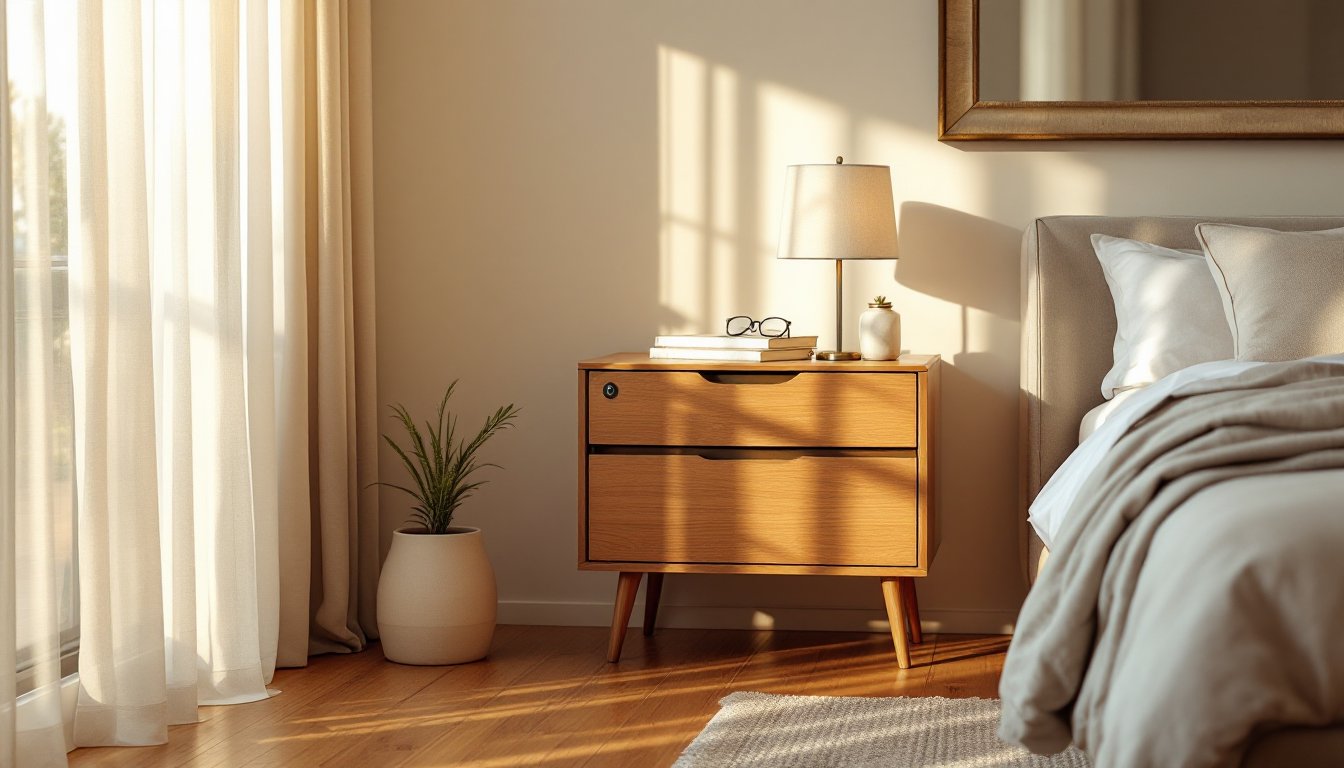
Nightstands with hidden compartments are even more common. Quality units include RFID or biometric locks integrated into the drawer face or top panel. A quick hand swipe opens a spring-loaded drawer that drops down or slides out. Cheaper models use simple magnetic latches, which are faster but offer no real security, a hard shake can pop them open.
When evaluating nightstands, check the interior liner material. Foam or felt prevents scratches and dampens noise. Avoid particleboard construction: it won’t hold up to repeated use or the weight of multiple firearms. Solid hardwood or 3/4-inch plywood is the minimum for durability.
Coffee Tables and End Tables with Secret Storage
Coffee tables with lift-top compartments have become a popular option, especially in living rooms where quick access matters. The tabletop lifts via gas struts or mechanical hinges, revealing a shallow tray sized for handguns, documents, or valuables. Some models include RFID tags embedded in coasters or remotes, so the compartment only unlocks when the tag is nearby.
End tables work similarly but with smaller footprints. Look for designs where the drawer face is actually a false front, pull a hidden lever or magnet, and the entire drawer box tips forward to expose a rear compartment. This design keeps the gun out of sight even if someone opens the visible drawer.
Both coffee and end tables should be anchored to the floor or wall if they’re top-heavy when opened. An unanchored lift-top table can tip forward, especially with kids around. Use L-brackets and 3-inch wood screws into studs or floor joists.
One downside: furniture-based storage rarely meets fire or water resistance standards. If that’s a concern, pair hidden furniture with a small fireproof lock box inside the compartment. Companies now make slim fireproof pouches rated to 1,200°F that fit inside shallow furniture compartments.
Creative Wall-Mounted Concealment Options
Mirror and Picture Frame Gun Safes
Wall-mounted mirrors and picture frames with hidden compartments are among the most discreet options available. These units hang like ordinary decor but swing open on concealed hinges to reveal foam-lined storage for handguns, jewelry, or documents.
Most mirror safes are steel-backed with a decorative frame. Sizes range from small 12×16-inch models (one handgun) to full-length mirrors with room for multiple long guns. Locking mechanisms include keyed locks, combination dials, or biometric fingerprint scanners. Biometric models typically run on AA batteries or small rechargeable packs: check the low-battery backup, most allow a hidden key override.
Installation requires finding studs. These units weigh 30–60 pounds empty and significantly more when loaded. Use at least two 3-inch lag bolts into solid wood studs, never drywall anchors. If mounting between studs, install a horizontal 2×4 backer board across multiple studs first, then mount the safe to the backer.
Picture frames work the same way but are lighter and smaller. They’re ideal for hallway or office placement where a large mirror would look out of place. Many come with quick-access magnetic latches hidden behind the frame edge, no visible keyhole to give away the secret.
For added concealment, some homeowners build shallow recessed wall cavities between studs (typically 3.5 inches deep with 2×4 framing, or 5.5 inches with 2×6 framing) and mount the frame flush with the drywall. This requires cutting into the wall, patching around the frame, and verifying no electrical wiring or plumbing runs through the cavity. Use a stud finder with wire detection or consult the home’s blueprints before cutting.
One caution: mounting a heavy steel safe on an exterior wall in cold climates can cause condensation inside the compartment. Add desiccant packs or a small rechargeable dehumidifier to prevent rust. These are also relevant for anyone looking into comprehensive home renovation storage upgrades that involve climate control.
DIY vs. Pre-Made Hidden Gun Storage: What to Consider
Building custom hidden storage is appealing for DIYers who want exact sizing or a specific aesthetic. Common DIY projects include false-bottom drawers, hollowed-out books (only works for very small handguns), and behind-the-baseboard compartments. The main advantages are cost savings and complete control over dimensions.
But, DIY storage has serious limitations. First, most home-built compartments lack locking mechanisms, which means they don’t meet legal storage requirements in many states. Second, DIY builds rarely include fire or moisture protection. Third, structural mistakes, like cutting into a load-bearing stud or puncturing electrical wiring, can be dangerous and expensive to fix.
If going DIY, prioritize these elements:
- Locking hardware: Install at minimum a keyed cam lock (available at hardware stores for $10–$20) or a combination lock. RFID and biometric locks can be purchased separately and integrated into custom builds.
- Material quality: Use 3/4-inch hardwood plywood or solid lumber for compartment walls. Particleboard and MDF sag under weight and don’t hold screws well over time.
- Finish and sealing: Apply a wood sealer or polyurethane to prevent moisture absorption. Line the interior with adhesive-backed felt or foam to protect firearms and reduce noise.
- Concealment testing: Have someone unfamiliar with the build try to find the compartment. If it’s obvious, redesign the trigger mechanism or camouflage.
Pre-made units, by contrast, come with UL-rated locks, warranty coverage, and engineered designs that have been tested for durability. They’re more expensive, expect to pay $200–$1,200 depending on size and features, but they eliminate guesswork and meet legal standards out of the box. Many manufacturers now offer customization options like interior foam layouts, RFID vs. biometric locks, and finish colors.
Another consideration: insurance and liability. If a firearm is accessed by an unauthorized person and used in a crime or accident, homeowners can face criminal and civil liability. Pre-made units with third-party safety certifications provide documentation that may reduce liability exposure. DIY builds offer no such protection unless independently tested and certified, which is prohibitively expensive for individuals.
For those weighing aesthetic integration, organization experts recommend pre-made furniture-based solutions that double as functional decor. For custom installations like recessed wall safes or under-floor compartments, hiring a finish carpenter ensures clean results and code compliance. Expect to pay $300–$800 in labor for professional installation of a wall-mounted unit, including stud reinforcement and drywall finishing.
Finally, consider future access needs. Smart home systems now integrate with biometric gun safes, allowing remote monitoring (but not remote unlocking, for safety reasons). If planning a broader home security upgrade, choose hidden storage that supports integration with existing alarm or access control systems. Some higher-end models include tamper alerts that notify the homeowner via smartphone if the compartment is opened or disturbed.
Regardless of the approach, test the access speed under realistic conditions, in low light, from a sleeping position, or with one hand occupied. A hidden compartment that takes 15 seconds to open defeats the purpose of quick access in an emergency. The best solutions balance concealment, security, and speed without compromise.