Table of Contents
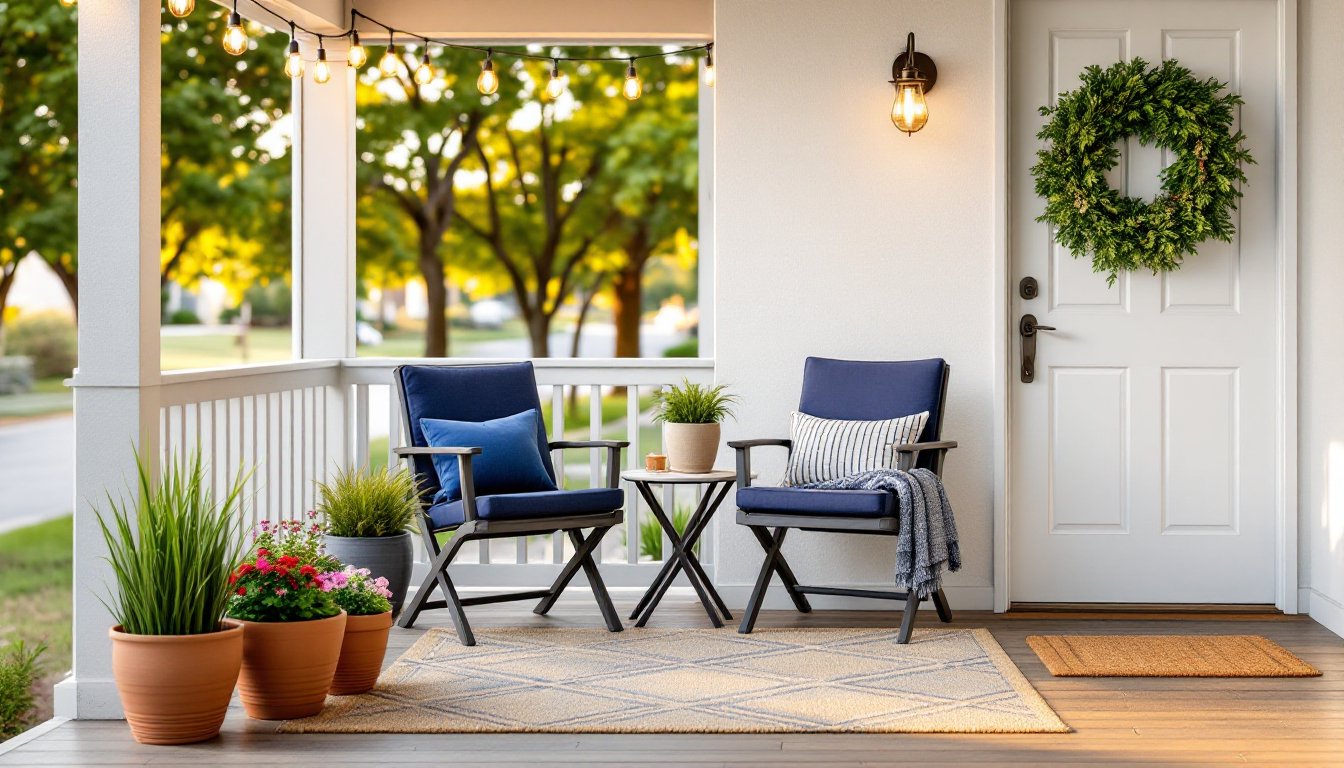
ToggleA front patio is more than a path to the door, it’s the handshake before someone walks into a home. Whether it’s a 6×8-foot concrete slab or a wraparound porch, this space sets the tone for everything inside. Yet most homeowners treat it as an afterthought, with a single chair or a wilting fern doing all the heavy lifting. The good news? Turning a front patio into a welcoming, functional zone doesn’t require a contractor or a five-figure budget. With intentional furniture placement, strategic lighting, and a few well-chosen accents, this outdoor area can become a genuine extension of living space. Here’s how to get it done.
Key Takeaways
- Front patio decor ideas start with properly scaled furniture that leaves 24 inches of clearance for movement; choose powder-coated aluminum, teak, or UV-resistant resin wicker for durability.
- Layer three types of lighting—ambient, task, and accent—using LED fixtures with warm 3000K color temperature to extend usable hours and highlight architectural details.
- Container plants with at least 12 inches depth, arranged in odd-numbered groups at varying heights, add vertical interest and soften hard patio edges year-round.
- Use polypropylene or recycled PET outdoor rugs sized 12–18 inches beyond furniture to visually anchor the space and define zones without warping in moisture.
- Incorporate solution-dyed acrylic textiles and weatherproof cushions with high-density foam cores to balance indoor comfort with resistance to mold, fading, and water damage.
- Personalize with minimal, durable accents like solar-lit house numbers, coir doormats, and battery-operated LED candles that require minimal maintenance and withstand year-round exposure.
Choose the Right Furniture for Comfort and Style
Start with scale. A bistro set (typically 24–30 inches in diameter) works for tight patios, while deeper spaces can handle a loveseat or a pair of Adirondack chairs spaced 18–24 inches apart for conversation. Measure the patio first, furniture should leave at least 24 inches of clearance on all sides for movement.
Material matters more than aesthetics. Powder-coated aluminum resists rust and handles humidity without warping, making it ideal for coastal or rainy climates. Teak and eucalyptus weather naturally to a silver-gray patina but require annual oiling if maintaining original color is a priority. Avoid untreated pine or particleboard composites: they’ll rot or swell within two seasons outdoors.
For durability, look for UV-resistant resin wicker over natural wicker, which splits in sunlight. Cushions should have solution-dyed acrylic fabric (like Sunbrella) with drainage grommets, foam cores will mildew without airflow. Stack furniture off-season or invest in fitted covers rated for outdoor use: generic tarps trap condensation and accelerate corrosion.
If the patio doubles as a walkway, choose folding bistro chairs or a narrow console table that won’t bottleneck foot traffic. Swap bulky armrests for sleek sling-style seating to save six inches on each side.
Add Greenery and Plants to Bring Life to Your Patio
Plants do the work paint can’t, they soften hard edges, add vertical interest, and change with the seasons. Start with container gardening if the patio is paved. Use pots at least 12 inches deep for perennials: shallow planters dry out fast and stunt root growth.
For low-maintenance options, ornamental grasses like fountain grass or blue fescue tolerate neglect and add texture. Pair them with evergreen shrubs (boxwood, dwarf Alberta spruce) for year-round structure. In warmer zones (USDA 8+), succulents in glazed ceramic pots require watering only every 10–14 days.
Hanging baskets and wall-mounted planters reclaim vertical space. Boston ferns and trailing petunias work in partial shade: full-sun patios call for geraniums or calibrachoa. Ensure brackets are anchored into studs or masonry with appropriate hardware, a saturated 12-inch basket can weigh 15+ pounds.
Consider potted evergreen trees (Italian cypress, Japanese maple) in 20-gallon containers to frame doorways or corners. These anchor the layout and provide privacy screening from the street. Rotate containers quarterly to prevent uneven growth from directional sunlight.
Group pots in odd numbers (three or five) at varying heights for visual balance. Use pot feet or cedar shims to elevate containers off the deck surface, this prevents moisture staining and improves drainage. Many designers showcase rustic furniture arrangements and potted plants as accessible starting points for patio transformations.
Layer Lighting for Ambiance and Functionality
Lighting does double duty: it extends usable hours and highlights architectural details. Aim for three layers, ambient, task, and accent, to avoid the single-bulb-over-the-door trap.
Start with overhead fixtures. A flush-mount LED ceiling light (800–1,100 lumens) provides baseline visibility for entry and exit. If wiring exists, upgrade to a pendant or lantern-style fixture with a wet-location rating (UL-listed for exposure to rain). For unwired patios, battery-powered LED puck lights with adhesive mounts work on porch ceilings, though they’ll need battery swaps every 60–90 days.
String lights add ambient glow. Use commercial-grade Edison bulb strands with 14- or 16-gauge wire, residential-grade sets dim and fail faster. Secure them with insulated staples or screw-in hooks spaced every 18–24 inches to prevent sagging. Solar string lights skip the wiring but deliver weaker output (typically under 50 lumens per bulb).
For task lighting, wall sconces flanking the door improve visibility for lock and key fumbling. Opt for 3000K LEDs (warm white) over 5000K (cool white), which reads harsh in residential settings. Motion sensors add convenience but can trigger unnecessarily if the patio faces a sidewalk, adjust sensitivity or switch to dusk-to-dawn photocell controls.
Accent lighting belongs on focal points: uplights tucked behind planters, path lights lining steps, or spotlights on a feature wall. Low-voltage LED systems (12V) are DIY-friendly and safer than 120V line-voltage setups. Run transformer and cable to a weatherproof GFCI outlet, burying wire 6 inches deep if crossing lawn or garden beds. Always check local codes, some jurisdictions require permits for permanent outdoor electrical work.
Incorporate Textiles and Cushions for Cozy Appeal
Textiles bridge the gap between outdoor function and indoor comfort, but the wrong fabrics turn into mildew farms. Solution-dyed acrylic is the baseline, it resists fading, mold, and water absorption better than cotton or polyester blends. Check for fade resistance ratings of 1,500+ hours (ASTM D4329 standard) if the patio gets direct afternoon sun.
Cushions should have high-density foam cores (1.8+ pounds per cubic foot) wrapped in moisture-barrier polyester batting. Cheap cushions use open-cell foam, which acts like a sponge. Zipper closures beat sewn-shut covers, removable cases can be hosed off and air-dried between deep cleans.
For throw pillows, stick to 12×20-inch or 18×18-inch sizes. Oversized pillows crowd small chairs and blow off in wind. Use pillow inserts with polyester fill, not down, which clumps when wet. Explore creative furniture and textile pairings for practical inspiration that balances comfort with weather resistance.
Outdoor curtains add privacy and soften hard walls, but they need proper hardware. Use stainless steel or powder-coated rods with rust-proof grommets. Curtain fabric should be fade-resistant and weighted at the hem, unweighted panels flap and tangle. Secure bottom hems with Velcro strips or drapery magnets on windy days.
Throw blankets in acrylic or fleece blends work for cool evenings. Store them in a weatherproof deck box rather than leaving them on furniture, even outdoor-rated textiles degrade faster with constant UV exposure.
Define Your Space with Outdoor Rugs and Planters
An outdoor rug anchors furniture and visually separates the patio from the yard or walkway. Use polypropylene or recycled PET rugs, both resist mold, dry quickly, and hold up under foot traffic. Measure furniture first: the rug should extend 12–18 inches beyond the front legs of chairs or sofas. A too-small rug makes furniture look like it’s floating.
For sizing, an 8×10-foot rug fits most standard patios (10×12 feet or larger). Smaller spaces call for a 5×7-foot or runner-style rug. Skip natural fiber (jute, sisal) unless the patio is fully covered, rain causes swelling and rot. Secure corners with rug grippers or double-sided outdoor tape to prevent tripping hazards and wind liftoff.
Maintenance is straightforward: shake out debris weekly, hose down monthly, and hang to dry. Mildew appears as dark spots: treat with a 1:3 bleach-to-water solution, scrub with a stiff brush, and rinse thoroughly. Store rugs flat or loosely rolled during winter, folding creates permanent creases.
Planters do more than hold plants, they define zones and create visual boundaries. Arrange three to five large containers (16–24 inches in diameter) in a staggered line to separate seating from a walkway. Use a mix of heights: tall cylindrical pots for grasses or small trees, low wide bowls for succulents or annuals.
Material choice affects weight and durability. Fiberglass planters mimic ceramic or stone but weigh half as much, making them easier to rearrange. Cast concrete or stone planters provide ballast in windy areas but may crack in freeze-thaw cycles, look for frost-resistant ratings in colder climates. Lightweight resin or plastic pots work for renters or temporary setups but fade faster and tip more easily.
Drainage is non-negotiable. Every planter needs drainage holes: if it doesn’t have them, drill three to five ½-inch holes in the bottom. Elevate pots with pot feet or cedar blocks to prevent water pooling and deck staining.
Personalize with Decorative Accents and Accessories
Accents inject personality without structural work, but restraint matters, too many small items look cluttered. Pick a theme (coastal, farmhouse, modern minimal) and stick to it.
House numbers are functional first. Mount 4- to 6-inch metal or ceramic numbers near the door at eye level (58–60 inches from the floor). Ensure contrast between numbers and background, black on white, brushed nickel on dark wood, for visibility from the street. Solar-lit numbers improve nighttime legibility for deliveries and emergencies.
Doormats take abuse: choose coir (coconut fiber) for durability or rubber-backed polypropylene for easy cleaning. Standard size is 18×30 inches for single doors, 24×36 inches for double doors. Mats should sit flush with the threshold: raised edges create trip hazards.
Wreaths and wall decor add vertical interest. Secure wreaths to doors with over-the-door hangers (no nails) or Command hooks rated for outdoor use. Seasonal swaps keep the look fresh, grapevine bases transition easily from spring florals to autumn foliage. For walls, metal wall art or mirrors rated for outdoor exposure handle weather better than wood signs, which warp and fade.
Lanterns and candle holders layer in soft lighting. Use battery-operated LED candles instead of open flame, they’re safer and last 200+ hours per set of batteries. Place hurricane lanterns on side tables or porch steps, grouping in odd numbers. Expert-curated examples from front porch decor collections emphasize plants and furniture arrangements that balance aesthetics with function.
Decorative hooks and shelves add vertical storage. Install coat hooks for hanging bags or hats: wall-mounted floating shelves (8–12 inches deep) hold small planters or decorative objects. Use masonry anchors for brick or stucco, toggle bolts for hollow siding. Limit weight to 15 pounds per shelf unless manufacturer specs state otherwise.
Avoid breakables or items requiring constant maintenance. Fabric banners fade, ceramic figurines crack, and wood signs need annual resealing. Stick to metal, resin, or powder-coated finishes designed for year-round outdoor exposure.
Conclusion
A well-decorated front patio doesn’t need a teardown or a landscape architect. It needs the right furniture for the footprint, plants that survive the local climate, layered lighting that works after dark, and weatherproof textiles that won’t disintegrate by July. The rest is just editing, swapping out seasonal accents, rotating planters, and keeping surfaces clean. Start with one section, test it for a season, and adjust. The patio will do the rest of the talking.