Table of Contents
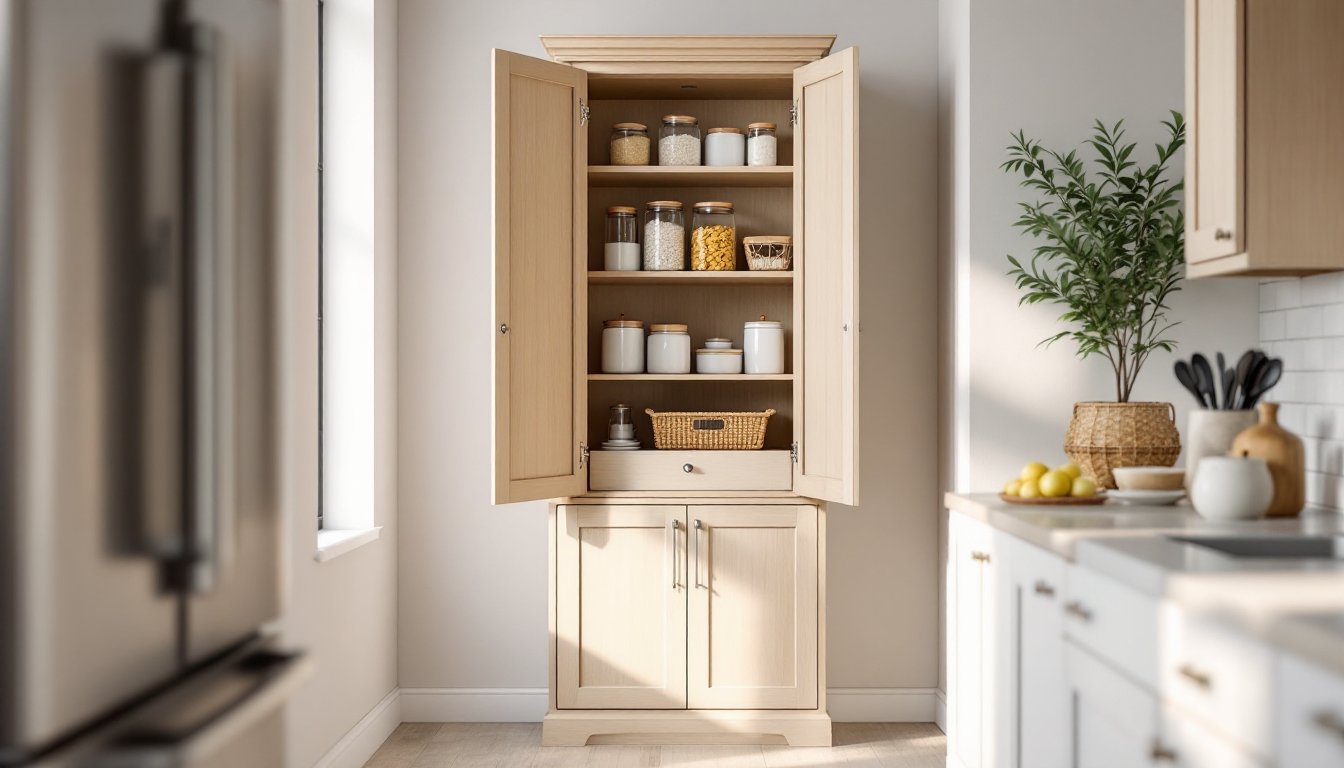
ToggleRunning out of kitchen storage is a problem most homeowners face eventually. Countertop clutter, overcrowded cabinets, and food stashed in random corners aren’t just frustrating, they make meal prep inefficient. A free standing pantry cabinet solves that problem without the cost and disruption of a full kitchen remodel. Unlike built-ins, these cabinets don’t require demolition or custom carpentry. You can move them, swap them out, or take them with you when you relocate. Whether someone’s working with a cramped apartment or a sprawling kitchen that somehow lacks storage, a well-chosen pantry cabinet adds function and style without very costly.
Key Takeaways
- A free standing pantry cabinet solves kitchen storage problems without expensive remodeling, permitting, or permanent installation—ideal for renters and homeowners wanting flexibility.
- Free standing pantry cabinets come in depths of 12 to 24 inches with adjustable shelves, pull-out drawers, and door-mounted racks, adapting to any kitchen size from cramped apartments to sprawling layouts.
- DIY pantry cabinet projects are achievable with basic tools like a circular saw, drill, and pocket hole system, using plywood and pine to build a functional 72-inch tall cabinet in a weekend.
- Style options range from rustic farmhouse designs with distressed finishes to modern minimalist units with clean lines and integrated LED lighting, ensuring your pantry complements your kitchen aesthetic.
- Proper organization using category grouping, clear bins, adjustable shelving, and door-mounted racks maximizes storage efficiency while maintaining 70-80% capacity for long-term functionality.
Why Choose a Free Standing Pantry Cabinet?
Free standing pantry cabinets offer flexibility that built-in units can’t match. They don’t require wall anchoring into studs (though it’s recommended for taller units in homes with kids or pets), and they can be repositioned whenever the layout needs a refresh. That’s a huge advantage for renters or anyone who isn’t ready to commit to permanent cabinetry.
These cabinets come in a range of depths, typically 12 to 24 inches, making them adaptable to tight spaces or open floor plans. A shallow 12-inch unit fits in a narrow hallway or beside a refrigerator, while a deeper 24-inch cabinet rivals the storage of a small walk-in pantry. Most designs include adjustable shelves, pull-out drawers, or door-mounted racks, so they’re far more versatile than a basic bookshelf.
Another benefit: no permit required. Unlike structural changes that involve plumbing, electrical, or load-bearing walls, a free standing cabinet is a simple plug-and-play upgrade. Some models even include built-in lighting or soft-close hinges, features that add convenience without the need for an electrician. For DIYers who want immediate results, this is about as low-barrier as storage solutions get.
Classic Farmhouse Style Pantry Cabinets
Farmhouse pantries lean into rustic charm with visible wood grain, distressed finishes, and practical hardware like cup pulls or bin handles. These cabinets often feature beadboard panels, X-brace doors, or open upper shelving for displaying dishware or mason jars. The look pairs well with butcher block countertops and subway tile backsplashes.
Materials matter here. Solid pine or poplar are common choices for farmhouse builds, and they take stain or milk paint beautifully. A distressed white or soft gray finish gives that lived-in character, while natural wood tones work in kitchens with warmer palettes. For the door style, shaker panels are a reliable option, they’re simple to build or buy, and they don’t overwhelm the space.
Functionality doesn’t get lost in the aesthetic. Many farmhouse-style cabinets include pull-out drawers with dovetail joinery or full-extension slides, which hold up better under the weight of canned goods or small appliances. A mix of closed storage below and open shelving above keeps frequently used items accessible while hiding clutter. If someone’s building from scratch, plenty of detailed woodworking project plans are available for farmhouse-style pantries that can be customized to fit specific dimensions.
Modern Minimalist Pantry Solutions
Minimalist pantries strip away ornamentation in favor of clean lines, flat-panel doors, and neutral finishes. Think matte black, crisp white, or light ash veneers. The goal is storage that blends into the background rather than demanding attention.
Slim profiles work especially well in modern kitchens. A 15-inch-deep cabinet with handleless push-to-open doors maintains a seamless look without protruding hardware. Some designs use vertical grain veneer or laminate for a uniform appearance, and adjustable shelves allow for flexible organization without visible brackets.
Integrated lighting is a popular upgrade in modern pantries. LED strip lights installed under each shelf illuminate contents without creating harsh shadows, and they’re simple to wire using plug-in transformers, no electrician needed for most setups. Motion sensors add another layer of convenience, though they do require a bit more planning during installation.
For a truly streamlined build, consider frameless (European-style) construction. The cabinet box has no face frame, which maximizes interior space and gives a contemporary edge. This style requires precise joinery, pocket screws and dowels are common, but it’s well within reach for intermediate DIYers who own a drill and a square.
DIY Free Standing Pantry Cabinet Projects
Building a pantry cabinet from scratch isn’t as daunting as it sounds, especially with the right plan and tools. Most DIY designs use 3/4-inch plywood for the cabinet box and 1×2 or 1×3 pine for face frames and trim. A basic tall cabinet (72 inches high by 24 inches wide) requires about one and a half sheets of plywood, plus hardware and finish materials.
Tools needed:
- Circular saw or table saw for breaking down plywood sheets (a track saw makes this even easier)
- Drill/driver with bits for pocket holes or pilot holes
- Kreg jig or similar pocket hole system (optional but speeds up assembly)
- Level and square for keeping everything plumb and square during assembly
- Miter saw for trim and face frame cuts (a circular saw works, but a miter saw gives cleaner angle cuts)
Construction steps:
- Cut the top, bottom, sides, and back panel to dimension. Use a straight edge or track guide to keep cuts clean.
- Assemble the box using wood glue and 1-1/4-inch brad nails or pocket screws. Check for square before the glue sets.
- Attach the face frame (if using one) with glue and finish nails. This adds structural rigidity and covers raw plywood edges.
- Install adjustable shelf pins by drilling evenly spaced holes along the interior sides. Use a pegboard template to keep spacing consistent.
- Add doors using concealed hinges. Soft-close hinges cost a bit more but prevent slamming and wear.
- Apply primer and paint or stain. Two coats of primer followed by a satin or semi-gloss paint hold up better in kitchens than flat finishes.
Beginner-friendly building guides offer cut lists and step-by-step photos that take the guesswork out of dimensions and joinery. For those newer to woodworking, starting with a simpler design, like a basic open shelving unit, builds confidence before tackling doors and drawers.
Small Space Pantry Cabinet Ideas
Tight kitchens demand creative storage solutions. A narrow 12 to 15-inch-wide cabinet can tuck beside a refrigerator or fill an awkward gap between appliances. Look for tall units (84 inches or more) that maximize vertical space without eating up precious floor area.
Slim pull-out pantries are especially efficient. These units feature multiple tiers of shelving mounted on full-extension slides, allowing access to items at the very back. They’re ideal for storing spices, canned goods, or baking supplies. Installation is straightforward, most require only a few screws into the cabinet floor and top to keep the unit stable.
Corner cabinets are another overlooked option. A corner pantry with angled or bi-fold doors makes use of dead space that’s otherwise wasted. Some designs include lazy Susans or pull-out trays to keep items from disappearing into the back corners.
For renters or those on a budget, repurposing furniture works surprisingly well. A narrow bookshelf with added baskets or bins becomes instant pantry storage. Taller units should be anchored to the wall with L-brackets or furniture straps to prevent tipping, especially important in homes with children. Many home repair tutorials cover safe anchoring techniques for free standing furniture.
Organizing Your Free Standing Pantry for Maximum Efficiency
Even the best pantry cabinet won’t solve storage problems if it’s poorly organized. Start by grouping items by category: baking supplies, canned goods, snacks, breakfast items, and so on. Clear bins or labeled baskets keep small items from scattering and make it easy to pull an entire category off the shelf.
Adjustable shelving is key. Most pantries come with shelf pin holes spaced 1-1/2 inches apart, allowing for custom heights based on what’s stored. Tall items like cereal boxes or oil bottles need 12 to 14 inches of clearance, while shorter cans or jars fit comfortably on 8-inch shelves. Don’t waste vertical space, use shelf risers or stackable organizers to double capacity.
Door-mounted racks add another layer of storage. Spice racks, foil and wrap holders, or shallow bins for condiments make use of otherwise dead space. Just be mindful of weight, most cabinet doors are 3/4-inch MDF or plywood and can handle light loads, but overloading them stresses the hinges and can cause sagging over time.
Labeling isn’t just for Pinterest boards, it actually works. A label maker or chalkboard labels help everyone in the household put things back where they belong. For dry goods, transfer items into airtight containers to extend shelf life and keep pests out. Standard quart and gallon containers stack neatly and make it easy to see when supplies are running low.
Finally, leave some breathing room. A pantry crammed to capacity becomes difficult to navigate and discourages putting things away properly. Aim for about 70-80% capacity to allow for flexibility and keep the system functional long-term.
Conclusion
A free standing pantry cabinet delivers serious storage without the commitment or cost of built-in cabinetry. Whether someone opts for a ready-made farmhouse unit, a sleek minimalist design, or a DIY build, the right pantry transforms kitchen chaos into organized efficiency. The best part? It’s a project that delivers immediate, visible results, and one that can adapt as needs change.